
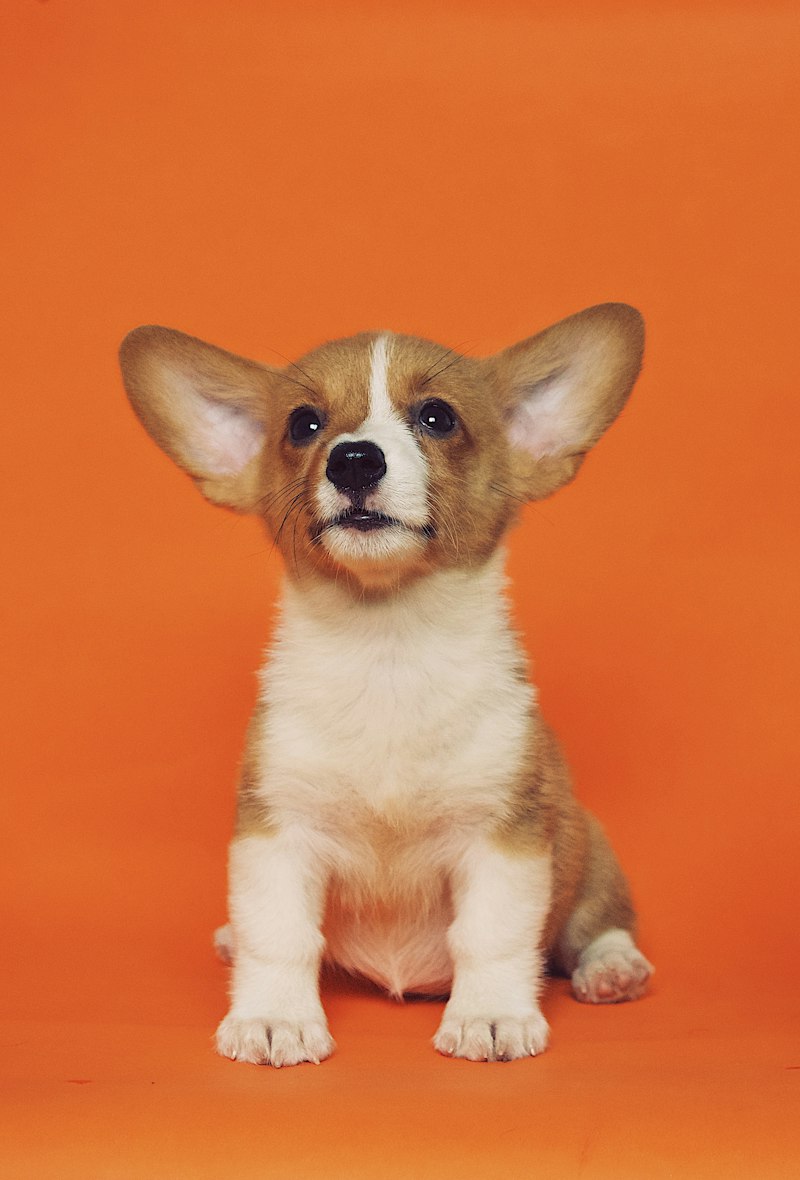
Two Dogs, One Drop-Off, One Family from Newtownards
If you've got two dogs — or three — from the same household in Newtownards and you're looking at boarding, the questions are usually the same: will they be kept together, will one of them end up stressed without the other, and are you really going to be charged two full rates for what feels like one family booking? These are fair questions, and they're worth asking directly before you commit to a stay.
Most boarding kennels across Belfast and County Down, including ours, deal with sibling or multi-dog bookings regularly. The general shape of how it works is consistent: dogs who already live together at home are assessed for whether they can share a room while boarding, they're fed separately regardless of how well they get on, and there's typically some form of reduced per-dog rate for a family booking. The detail underneath that — what gets assessed, what the rate actually depends on, and what happens if it doesn't go to plan — is where it's worth slowing down.
Will Our Dogs Share a Room, or Do They Each Get Their Own?
Dogs from the same household who already sleep in the same bed, crate, or room at home are often suited to sharing accommodation while boarding — it tends to reduce stress for both of them rather than increase it, because the one familiar thing in an unfamiliar place is each other. That said, it's genuinely an assessment, not a default. Staff will want to know how the dogs behave around each other in situations that don't come up much at home: a confined space overnight, a change in routine, a new smell outside the door.
Not every sibling pair should share, and a decent kennel will say so honestly rather than just taking the easier booking. An older dog who wants peace and a young, bouncy housemate don't always suit the same room overnight even if they're fine together in the living room. A dog with any history of guarding food, toys, or space — even mild, even only occasionally — changes the picture. None of this means the dogs can't board at the same place; it just means the sleeping arrangement might end up being next-door kennels rather than one shared room, with plenty of time together during the day.
- Do they already share a bed, crate or room at home?
- Is there a big difference in size, age, or energy level?
- Any history of guarding food, toys or space, even mild?
- Is one dog anxious and the other very confident — does that balance or unsettle them?
- Any medical needs (medication times, recovery from surgery) that are easier managed with a dog on its own?
Why They'll Still Be Fed Separately, Even in the Same Room
This is usually the part owners ask about once they've accepted the room-sharing decision: if our dogs are sleeping in the same space, why can't they just eat out of bowls next to each other like they do at home? The honest answer is that most boarding kennels feed dogs separately as standard practice, not because the dogs are distrusted, but because food changes behaviour in ways that sleeping together doesn't test. A dog who is relaxed sharing a bed can still rush, guard, or hover over a bowl, and a slower eater can get pushed off their food by a housemate who finishes first — even a housemate they're genuinely close to.
Separate feeding also means staff can actually see what each dog has eaten. That matters for anything from a dog who's gone off their food because they're unsettled, to managing two different diets properly — a senior dog on a joint supplement next to a younger dog on a completely different feed. It isn't a comment on your dogs' relationship. Plenty of multi-dog households at home already feed in separate rooms or at a distance for exactly the same reasons; boarding just makes that standard rather than optional.
What Does the Family Rate Actually Mean?
Boarding two or more dogs from the same family sharing a room is usually priced lower per dog than two dogs boarded entirely separately, because it takes less space and less staffing overhead than two full, separate bookings. That's the general principle behind a family or sibling rate wherever you find it in Belfast or County Down. What it doesn't mean is a fixed number you can rely on without checking — the actual rate depends on how many dogs, how long the stay is, the time of year, and sometimes the size or needs of the dogs involved.
If you're close to booking, the most useful thing you can do is ask directly when you enquire: does the family rate apply if our dogs end up in separate kennels rather than sharing a room, does it apply to three dogs the same as two, and does a puppy or a dog on medication change the price. Different kennels answer these slightly differently, and rates can also shift with the season, so don't assume last year's figure or a friend's quote still holds.
Getting to Woodbreda Drive from Newtownards
Coming from Newtownards, the route down tends to run along the A20 Belfast Road through Dundonald, picking up the outer ring road towards Knock before cutting across towards the Saintfield Road and down into Newtownbreda, where Woodbreda Drive sits just off the main road near Carryduff. It's not a complicated drive, but the Dundonald roundabouts and the Knock stretch can slow down at weekday rush hour, so if you're dropping off on a Monday morning before work, it's worth building in a bit of extra time rather than cutting it fine.
Weekends and off-peak times are generally a quieter run. Parking tends to be available near the main entrance, but as with any site, it's worth having a quick look at current signage when you arrive rather than assuming last time's arrangement still stands — small things like that change more often than people expect.
What to Bring When It's Two Dogs, Not One
Packing for two dogs isn't just packing for one dog twice. If they're on different diets, keep the food labelled and measured per dog rather than one shared bag — it avoids any guesswork at feeding time. Bring their own bedding if they each have a preference at home, even if they'll be sharing a room; familiar smells matter more than you'd think when a dog is somewhere new. Any medication should be clearly labelled with dosage and timing written down, not just handed over loose.
It's worth being a bit restrained with toys. One favourite item each is sensible; a full bag of toys for two dogs in a shared space can occasionally create the exact low-level competition you were hoping to avoid by having them together.
- Food — labelled and measured per dog if diets differ
- Bedding each, even if sharing a room
- Medication with written dosage and timing
- Leads and collars with ID, one set per dog
- Vet contact details
- One favourite toy each, rather than the full collection
What If One Settles and the Other Doesn't?
It happens more than you'd think: one dog adjusts to boarding within a day, and the other doesn't — pacing, not eating, whining at the door. A good kennel's response isn't to leave both dogs struggling for the sake of keeping them together; it's to move the unsettled one to its own space while still arranging time together during the day, walks, and feeding nearby if that helps. Room-sharing is a starting point based on what works at home, not a fixed arrangement that has to be forced through if it's clearly not working in practice.
The most useful thing you can do before drop-off is be honest about the real dynamic at home, not the tidied-up version — who's the anxious one, who's guarded a toy before even once, whether they've done day care or boarding previously and how that went. That information shapes the plan from day one, rather than being worked out the hard way once you've already left.