
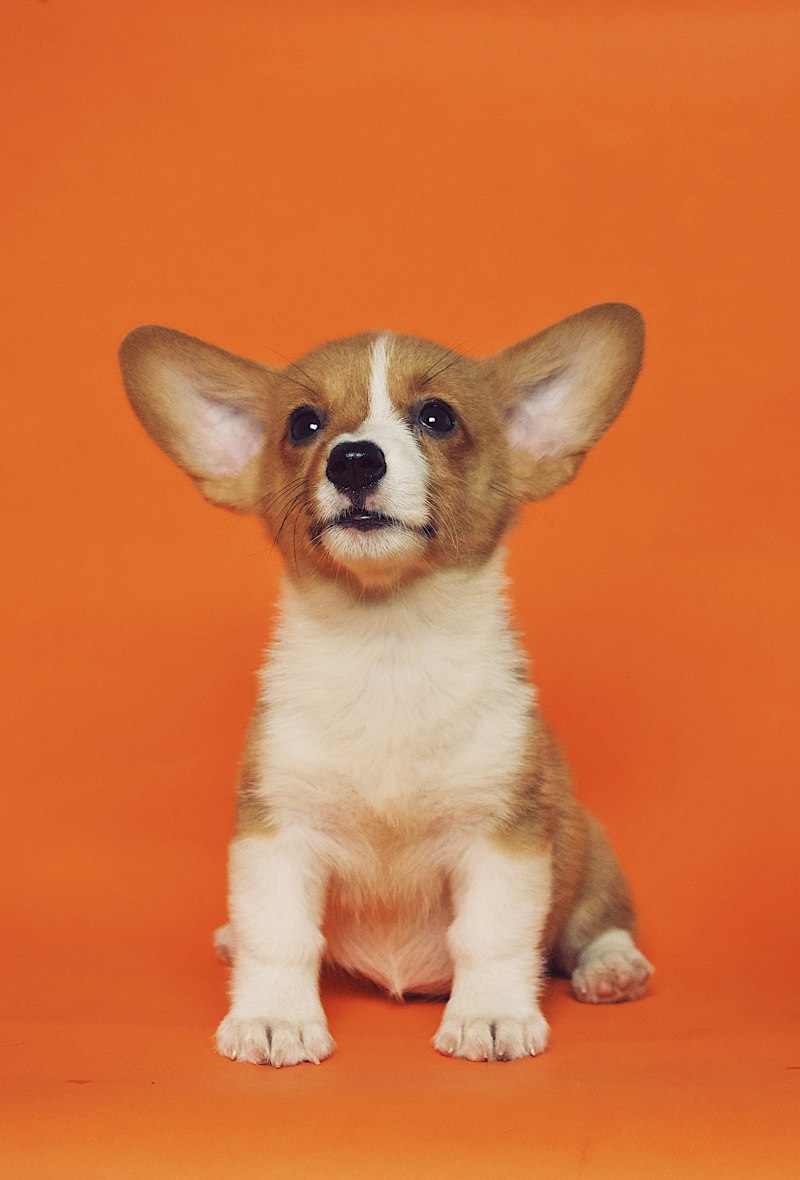
Why that doggy breath is trying to tell you something
Every dog owner in Belfast has had the moment — you lean in for a cuddle on the sofa on a wet Tuesday and recoil slightly. Dog breath has a reputation for being just one of those things you live with, like muddy paw prints after a walk round Belvoir or a soggy towel permanently draped over the radiator. But breath that's gone from 'a bit doggy' to genuinely rank is very often the first sign of plaque building up along the gumline, and left long enough that turns into gum disease, which is uncomfortable, sometimes painful, and can affect a dog's whole system, not just their mouth.
The good news is that dental care doesn't have to mean wrestling a screaming dog to the ground with a toothbrush every night. Most dogs can be brought round to tolerating, and some even quite enjoying, a bit of daily mouth care if you start small and go at their pace. This is about getting started sensibly, not turning your front room into a veterinary dental suite.
Where to actually start — before you buy anything
Before any brush or paste comes near your dog, spend a week just getting comfortable looking in their mouth. Sit with them somewhere calm — after a walk when they're tired works well, rather than straight after breakfast when they're wired. Gently lift the lip at the side, have a look at the teeth and gums, and give a treat straight after. That's it. No brushing yet.
This matters more than people think. A dog that's never had its mouth handled will often panic the first time a toothbrush appears, and then you've taught them that dental care is a fight, which makes every future attempt harder. Ten seconds a day of calm lip-lifting for a week or two, building trust before technique, is the single most useful thing you can do.
What normal dog breath and gums actually look like
It helps to know what you're checking for. Healthy gums are pink (or pigmented black/pink depending on the dog) and firm, not red or swollen, and shouldn't bleed when you touch them. Teeth should be mostly white or slightly yellowish near the gumline, not covered in a hard brownish crust. Breath should smell like, well, dog — not sweet, not metallic, not like something's rotting.
Any dog can get a build-up of tartar, but it tends to come on faster in small and toy breeds, and in older dogs generally. If you've got a terrier or a spaniel getting on in years, checking their mouth every week or two rather than once a month is a sensible habit, especially through winter when routines slip and it's easier to forget.
- Red, swollen, or bleeding gums — worth a vet check
- Hard brown or grey crust on the back teeth — plaque and tartar, brushing alone won't shift it
- Sudden change in breath smell, or a dog pawing at their mouth — don't wait and see
Brushing that a dog will actually sit through
Once the mouth-handling stage feels easy, move to your finger wrapped in a bit of gauze or a soft finger brush, with a small dab of dog-specific toothpaste — never human toothpaste, which usually contains xylitol or fluoride levels that aren't safe for dogs. Let them taste it first off your finger before it goes anywhere near their teeth. Most dog toothpaste is meat or malt flavoured for exactly this reason, and a fair few dogs decide fairly quickly that this bit isn't so bad.
Start with the outer surfaces of the back teeth, where most plaque builds up, using small circular motions for a few seconds a side. You don't need to get the inside surfaces — a dog's tongue does a reasonable job of keeping those cleaner naturally. Two minutes total is plenty. If your dog tolerates that, you can graduate to an actual soft-bristled dog toothbrush, but plenty of owners stick with a finger brush indefinitely and that's perfectly fine.
Realistically, daily brushing is the gold standard but it's not what most households manage, and that's alright. Three times a week, done consistently, will make a genuine difference over months. Once a fortnight is better than nothing but won't stop plaque hardening into tartar, which then needs a vet or dental hygienist to remove properly.
If your dog won't tolerate a brush at all
Some dogs, particularly rescues or older dogs who've never had their mouth handled, will not accept brushing no matter how patiently you go about it, and forcing it tends to backfire. There are other tools worth trying, though it's worth being honest that none of them work as well as brushing.
Dental chews can help mechanically scrape plaque as a dog chews, but they only work on the teeth they actually reach with proper chewing pressure, and they add calories, so factor that in if your dog's carrying a bit of extra weight already. Water additives and dental gels are easier to introduce but tend to have a more modest effect. Raw meaty bones and specific dental diets are options some owners in the Belfast area use, but they come with their own risks around tooth fracture or digestive upset, so it's worth talking to your vet about what suits your particular dog rather than picking one off a shelf at random.
When it's time to stop DIY and see a vet
Home care slows down plaque build-up; it doesn't reverse tartar that's already hardened on, and it won't fix a tooth that's already infected or loose. If you notice a tooth that looks brown or grey right at the gumline, a lump on the gum, persistent drooling, or your dog suddenly favouring one side of their mouth when they eat, that's a vet visit, not a wait-and-see. There are several good vet practices around south Belfast and into Carryduff and Newtownbreda, and most will do a dental check as part of an annual health check without you needing to ask specifically.
It's also worth mentioning dental care when you're booking dog boarding Belfast owners rely on, or day care, particularly if your dog needs a daily brush, a specific chew, or has a known dental sensitivity. At Johnny's Doggy Hotel we're used to keeping to whatever routine a dog's used to at home, dental care included, which tends to matter more to owners than they expect once they're actually away.