
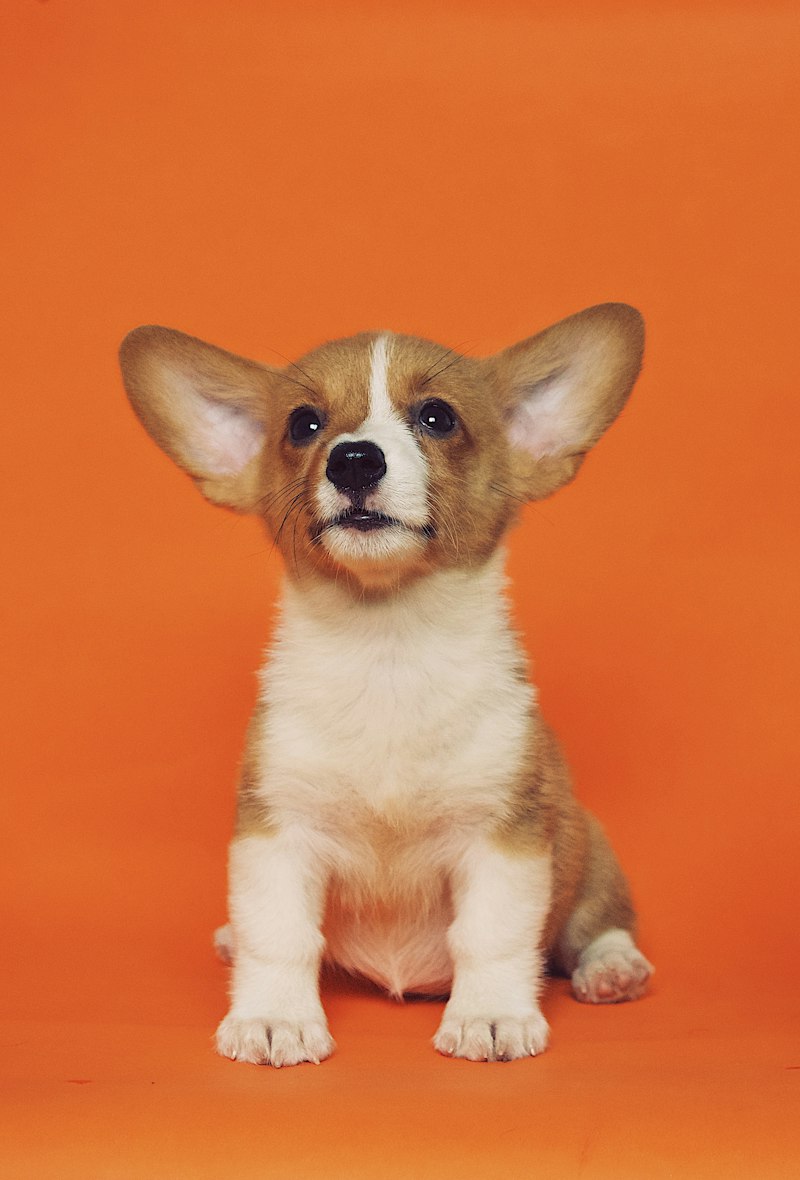
You've typed "dog boarding Moneyreagh" — here's the honest answer
Moneyreagh is a small place, and there isn't a big boarding kennel sitting in the village itself. Most people who live around Moneyreagh, Ballygowan or that stretch towards Carryduff end up widening the search a little, usually towards Carryduff, Newtownbreda or the outskirts of east Belfast, where there's more choice and more established places to look at.
Before you get into comparing options, it helps to know that "dog boarding" actually covers two quite different things: traditional kennels, and home boarding. They suit different dogs, and the right choice depends far more on your dog's temperament than on which one has the nicer website.
What home boarding actually is, versus kennels
A traditional kennel is a purpose-built setup — individual kennel runs, a set feeding and exercise schedule, and staff working shifts across a number of dogs at once. It works well for dogs who are relaxed, robust, and not especially bothered by noise or other dogs barking nearby.
Home boarding means your dog stays in an actual family home — on the sofa, in the garden, going out on real walks from someone's front door, often alongside a small number of other dogs rather than a full kennel block. It tends to suit dogs who are used to being part of a household, older dogs who don't cope well with kennel noise, and anxious dogs who settle better with consistent one-to-one attention rather than rotating staff.
Neither is automatically better. A confident, sociable Labrador might be perfectly happy in either. A nervous rescue, a senior dog with arthritis, or a dog who's never been left before will almost always do better somewhere quieter and more home-like, where the same person is there morning and night.
One thing worth knowing: in Northern Ireland, anyone taking dogs in to board — whether it's a kennel or a home — needs a council licence for dog boarding. It's worth asking to see it, and asking how many dogs they're licensed for at any one time.
What a stay actually involves, day by day
A decent home boarding stay should start before the stay itself — a settling-in visit where your dog meets the household, the garden, and any resident dogs while you're still there. This is the point where a good boarder will ask real questions: what your dog eats, how they are with other dogs, whether they guard food or toys, what their walk routine looks like, and anything that makes them anxious.
Drop-off day itself is usually the hardest for the dog and the easiest to misjudge from the outside. Most dogs take a few hours, sometimes a full day, to properly settle — sniffing round the house, working out where they're allowed to sleep, deciding whether the resident dog is a threat or a new best friend. A boarder who knows dogs won't panic at this; they'll keep the first day low-key and let the dog find its feet.
After that, the days should have a rhythm: a morning walk, time in the garden or house, an afternoon walk, and a settled evening. Your dog should be eating their own food, on their own routine, not a bowl of whatever's going. If you'd like updates, most home boarders are happy to send a photo or a quick text so you know how things are going, though don't expect a running commentary every hour.
Collection day is usually straightforward, but it's worth asking in advance what happens if your dog has picked up any issues during the stay — a bit of an upset tummy from excitement, a scrape from rough play, anything. A boarder who tells you about the small stuff honestly is one you can trust with the bigger stuff.
Getting there from Moneyreagh
From Moneyreagh, most people head in towards Carryduff first, then on towards Newtownbreda and the southern edge of Belfast, which is where a fair bit of the boarding and day care around here is based. It's a route through genuinely rural ground for a good stretch — hedgerows, farm gates, tractors moving between fields — before it opens out into the busier roads around Carryduff.
Worth bearing in mind through the winter months: that stretch of road can be exactly the kind of Northern Ireland weather you'd expect — low cloud, standing water on the verges, and darkness closing in early by late afternoon from around October through to February. None of that's a reason not to board your dog, but it's worth allowing a bit of extra time if you're dropping off on a wet evening, and checking the state of the road if there's been a hard frost.
Johnny's Doggy Hotel sits on Woodbreda Dr, close to Carryduff and Newtownbreda, which puts it within a reasonably direct run from Moneyreagh without having to cut through the middle of Belfast itself — useful if you're trying to avoid rush hour traffic on the way into the city.
What to actually ask before you book
A good home boarder won't mind being asked direct questions, and the answers tell you more than any photo gallery will.
It's worth going into a meet-and-greet with a short list in your head rather than relying on memory once you're there, distracted by a friendly dog bounding over to say hello.
- Can I see where my dog will actually sleep, and the garden they'll use?
- How many other dogs are normally there at the same time, and are they a fixed group or always changing?
- What's the plan if my dog doesn't settle, or doesn't get on with another dog there?
- Who's actually in the house overnight, and what happens in a vet emergency?
- Can I see their council boarding licence and ask how many dogs it covers?
Where it honestly tends to go wrong
Most problems with home boarding come down to mismatches, not bad intentions. A boarder with a houseful of confident, play-hungry dogs is the wrong fit for a nervous dog who just wants to be left alone in a quiet corner — and a boarder who only ever takes one dog at a time might bore a sociable young dog who's used to constant company.
Multi-dog households need particular thought. Two dogs who are inseparable at home might need to board together, in the same room, with the same routine — splitting them up "to be fair" to both can actually unsettle them both more. It's worth being upfront about this rather than assuming the boarder will work it out on the day.
First stays are also just genuinely harder than second or third stays, for almost every dog. A dog who seems subdued on day one and bounces back by day two is normal. A dog who's still off their food on day three is worth a phone call — not a crisis, but worth flagging so you and the boarder can decide together whether to adjust the plan.