
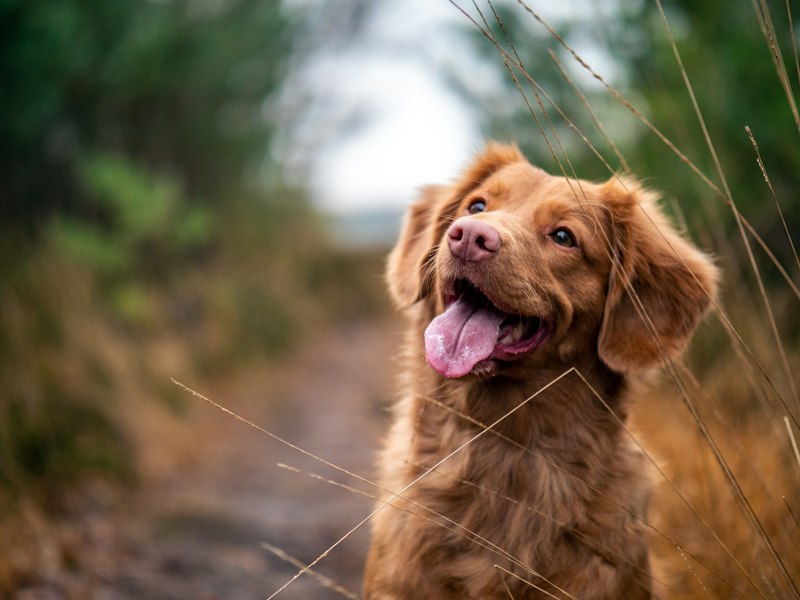
What the walk from Bangor to Groomsport actually involves
The stretch of the North Down Coastal Path between Bangor and Groomsport is one of the better dog walks near Belfast if you want sea air without driving too far out. It runs along the shoreline past Ballyholme Bay, round past the old coastguard buildings and Smelt Mill Bay, and on into Groomsport village, where you can turn round at the harbour or push on further towards Orlock if legs and time allow.
It's not a technical walk. Most of it is a wide, grassy or gravelled path along the top of low cliffs and rocky foreshore, with a few sets of steps and some narrower, rootier sections where the path dips close to the water. In good weather it's an easy, sociable walk with room to pass other dogs comfortably. In bad weather — and this is Northern Ireland, so expect bad weather — parts of it get exposed to the wind coming straight off Belfast Lough, which older or smaller dogs feel more than you'd think.
Where to park without fighting the marina traffic
Bangor's seafront and marina area gets busy, especially at weekends and in summer, and parking near the town centre end can involve a fair bit of circling. Most locals doing this walk regularly either start from the Ballyholme end, where there's usually parking near the esplanade and less competition for spaces, or drive straight round to Groomsport and walk the route in reverse, starting from the harbour area there.
Groomsport tends to be the quieter starting point on an ordinary weekday. It's a small village and the harbour car park fills up on a nice Saturday, but outside of peak times it's a far calmer place to unload a dog from the boot than the Bangor marina end. Whichever end you choose, check current signage for parking restrictions and any seasonal changes before you go — these things do shift.
Why the lead has to go back on near the grazing fields
This is the detail a lot of visiting dog owners miss. Inland of the coastal path, in stretches particularly around the fields above Ballyholme and again further out towards Orlock, there is grazing land — sheep in particular, at various points through the year. The path itself is usually fenced off from the fields, but fences get gaps, gates get left open by other walkers, and a dog that's fixated on a sheep on the far side of a hedge doesn't care how solid that fence looks.
The honest advice here is simple: if you can see livestock in a field near the path, the lead goes on, no matter how good your dog's recall usually is. It's not about trust in your dog — it's about the fact that a startled sheep can injure itself running into fencing, and a farmer is entitled to take an incident with a loose dog around livestock very seriously indeed. Check the current signage as you go; landowners do put up temporary notices when animals are moved into fields close to the path.
Ground-nesting birds: the season most dog owners don't clock
The livestock issue is the obvious one. The ground-nesting bird issue is the one that catches people out, because it's less visible and lasts longer than most people expect. Coastal grassland and rough ground like this is exactly the habitat that species such as oystercatchers and other shorebirds use for nesting, low down in the vegetation or right on the foreshore, from spring through into summer. A dog running loose through long grass or over rocks at the wrong time of year can destroy a nest or separate a chick from its parents without you or the dog ever realising what happened.
There are also cliff-nesting seabirds further along the coast path system in this part of County Down, and while the busiest nesting cliffs tend to have their own signage, the grassy verges and rough foreshore sections in between don't always get flagged the same way. The practical rule for this walk: from early spring into summer, keep dogs on the lead on any section where the path runs through rough grass, dunes, or open foreshore rather than a clearly mown or hard path, and follow any seasonal signage exactly as it's written that day, since local wardens do adjust it as nesting activity changes.
What February mud and a January gale actually do to this path
In winter, the section past the old coach road and Smelt Mill Bay holds water. After a run of wet days, expect standing puddles and slick, churned mud on the narrower parts of the path, particularly where it's shaded and gets less sun to dry it out. It's manageable in normal boots and a decent lead, but it's not a walk to do in trainers if you want to stay upright, and a dog that likes to roll will find something to roll in.
Wind is the other factor. This stretch faces straight into Belfast Lough and the open sea beyond, and on a proper Northern Irish winter day the wind off the water can be genuinely uncomfortable for a small, short-coated or elderly dog, even if the walk itself is flat and easy underfoot. If your dog struggles with cold and wind rather than distance, this is a walk better saved for a calmer day, or shortened to whichever half is more sheltered.
Tides, rocks and the bits where recall isn't enough
Several sections of the route, especially around Smelt Mill Bay and the approach into Groomsport, drop down onto rocky foreshore that's genuinely tidal. Dogs that like to scramble over rocks and explore rock pools can end up further out than they realise as the tide comes in, and rocks that are dry and grippy at low tide get slick and awkward as the water rises around them.
If you're letting your dog off lead on the foreshore sections, keep half an eye on the tide rather than just on the dog, and don't assume a normally reliable dog will turn back the moment you call if it's got itself absorbed in something interesting on the rocks. This is one of those situations where a lead isn't about obedience — it's about the ground changing under your dog faster than either of you can react to.
Is this actually a dog friendly walk, day to day?
Yes, genuinely — this is one of the better answers to dog walks Bangor, County Down offers, and it's popular with local dog owners for good reason. It's varied enough to hold a dog's interest, sociable without being overrun, and long enough to properly tire out a working breed while still being walkable by a fitter senior dog on a good day. Dog friendly Bangor, County Down cafés near the Groomsport and Bangor ends make it easy to turn the walk into a proper outing rather than just exercise.
The only real caveat is the seasonal one this whole piece is built around: pay attention to livestock and to nesting season, and treat the lead as the default rather than the exception on the rougher, grassier stretches. If you're heading off for the day or need dog boarding Belfast owners can rely on while you're away walking this coast without the dog, that's the kind of thing a family-run set-up like Johnny's Doggy Hotel in Carryduff tends to get asked about a lot — it's a fairly short run from Bangor if you're combining a coastal walk with dropping a dog off beforehand.