
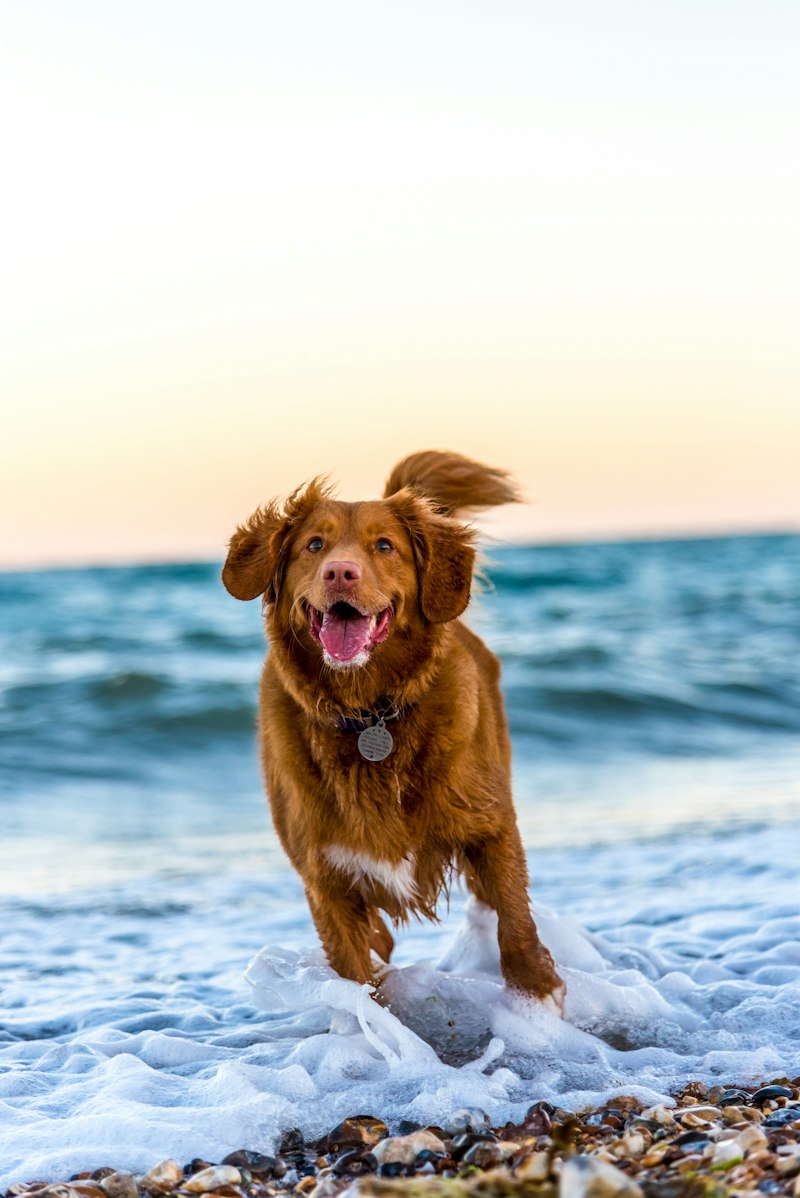
Is Rowallane Garden actually a good dog walk?
Rowallane Garden sits on the edge of Saintfield, on the road through to Downpatrick and Crossgar, and it's one of the places that comes up fastest when people search for dog walks Saintfield, County Down. It's a National Trust property, best known for its rhododendrons, azaleas and the old walled garden, and it's genuinely lovely underfoot and overhead for most of the year. The question that actually matters for dog owners isn't whether it's scenic — it's whether you can let the dog off the lead. Mostly, you can't, and once you understand why, it stops feeling like a restriction and starts feeling like common sense.
The site isn't one single open field. It's a mix of formal planted garden, a walled garden, and wider parkland and pleasure grounds that back onto working farmland. Sheep graze parts of that parkland as part of how the Trust manages the grass and the historic landscape, and the ground beyond the garden gates is shared with pheasants and other birds that nest low down in spring. That combination — formal garden plus grazing livestock plus a working countryside edge — is exactly why the lead rules are stricter here than at a straightforward park.
Where to park and which entrance to use
There's usually parking near the main entrance on the Saintfield side, close to where the visitor reception and the café sit. That's the entrance most people use, and it's also the one that gets busiest on dry weekend afternoons, particularly when the rhododendrons and azaleas are out in May. If you're coming for a straightforward dog walk rather than a full garden visit, a weekday morning gives you a much quieter run at the car park and the first stretch of path.
Avoid trying to squeeze onto the grass verges or lay-bys on the approach road itself — the road into Rowallane carries a reasonable amount of local traffic through Saintfield, and verges here are soft rather than solid, especially after rain. It's worth checking current signage at the entrance when you arrive, since National Trust properties do adjust dog access and parking arrangements from time to time, and what was true on your last visit isn't guaranteed to be true on this one.
What the ground is actually like underfoot
The walled garden and the main formal paths are gravelled and generally hold up well, even after a wet spell, because they're built and maintained for footfall. Step out into the wider parkland, though, and the ground changes character fast. County Down clay doesn't drain quickly, and by February the grazed parkland areas can be properly heavy — the kind of mud that sucks a wellie off rather than just dirtying it.
If you're walking a dog with joint issues or an older dog that you'd normally take on flatter, firmer ground, think about timing. A frosty, dry morning in Rowallane's parkland is a completely different walk to the same stretch after three days of Northern Irish rain. Bring a towel for the car either way — the gravel paths stay relatively clean, but most dogs find their way onto the grass at some point.
Sheep, pheasants, and why the lead rule doesn't relax
The sheep are the single biggest reason dogs stay on leads at Rowallane. Livestock worrying doesn't need a dog that's aggressive — a young, excitable dog running at sheep out of curiosity can cause as much harm, and can cause it in seconds, long before a recall command has a chance to land. The Trust's general approach at countryside sites like this is to ask that dogs are kept on a lead wherever livestock are present, and that's not really negotiable territory for a responsible owner.
Beyond the sheep, the parkland backs onto farmland where pheasants and other game birds are commonly present, and these birds nest and rear young on the ground rather than up in cover. A dog with a strong nose and a bit of prey drive doesn't need to catch anything to cause a problem — disturbance alone, at the wrong moment in the season, can be enough to make a bird abandon a nest.
- Keep dogs on a short lead, not just a long training line, anywhere near grazed parkland
- Watch for sheep droppings and worn grazing patches — a sign you're close to where stock are kept
- If you see pheasants moving slowly through undergrowth rather than flying off, give them a wide, quiet berth
Spring is the season to be strictest with the lead
If you only remember one thing from this guide, make it this: from late winter into early summer, Rowallane is not the place to test a dog's recall. Lambing typically runs through late winter and into spring, which is precisely when ewes are most defensive and most easily panicked by a loose dog, even one that means no harm. At the same time, ground-nesting birds in the wider parkland are sitting on eggs or rearing young through spring and into early summer, right at ground level where a dog's nose will find them before you do.
This isn't a case of being cautious for a fortnight and then relaxing. The safest approach, and the one we'd genuinely recommend, is to treat the lead as non-negotiable for the whole of this stretch of the year, right across the site, not just in the fields where you can see sheep. If your dog doesn't have a rock-solid recall and settled manners around livestock, there's no shame in keeping the lead clipped on for the entire visit, every visit, regardless of season.
When Rowallane is quiet, and when it's busy
Fine spring weekends, especially once the azaleas and rhododendrons are in bloom in May, bring out a lot of visitors, prams, and other dogs, which means narrower paths feel busier and passing room gets tighter. School holidays add families with children who may want to say hello to your dog without much warning, which is worth bearing in mind if your dog needs a bit of space.
Midweek mornings, particularly outside the main flowering season, tend to be noticeably calmer — fewer dogs to manage a lead around, fewer distractions near the grazing areas, and generally an easier first hour at the car park. If your dog finds other dogs or crowds stressful, that quieter window is worth planning around rather than fighting a busy Saturday.
After the walk: mud, ticks, and the drive home
Sheep pasture is tick country, so a proper check through the coat — paws, ears, belly, round the collar — is worth doing before the dog gets back in the car, not three days later. Clay mud on paws and legs also tends to be more stubborn than it looks, so a towel in the boot and a bit of patience at the door saves a lot of cleaning later.
Not every dog is suited to a walk with this much livestock, this many other visitors, and this little off-lead freedom, and that's a completely normal thing to admit rather than push through. If you've got a dog that finds sheep or crowds hard going, a quieter local walk followed by some proper run-around time at doggy day care near me searches often turn up can be the better combination. We see a fair few dogs through Johnny's Doggy Hotel in Carryduff who are far happier with a structured day care session than a tense lead walk through grazing land, and there's no harm admitting that's the right call for some dogs.