
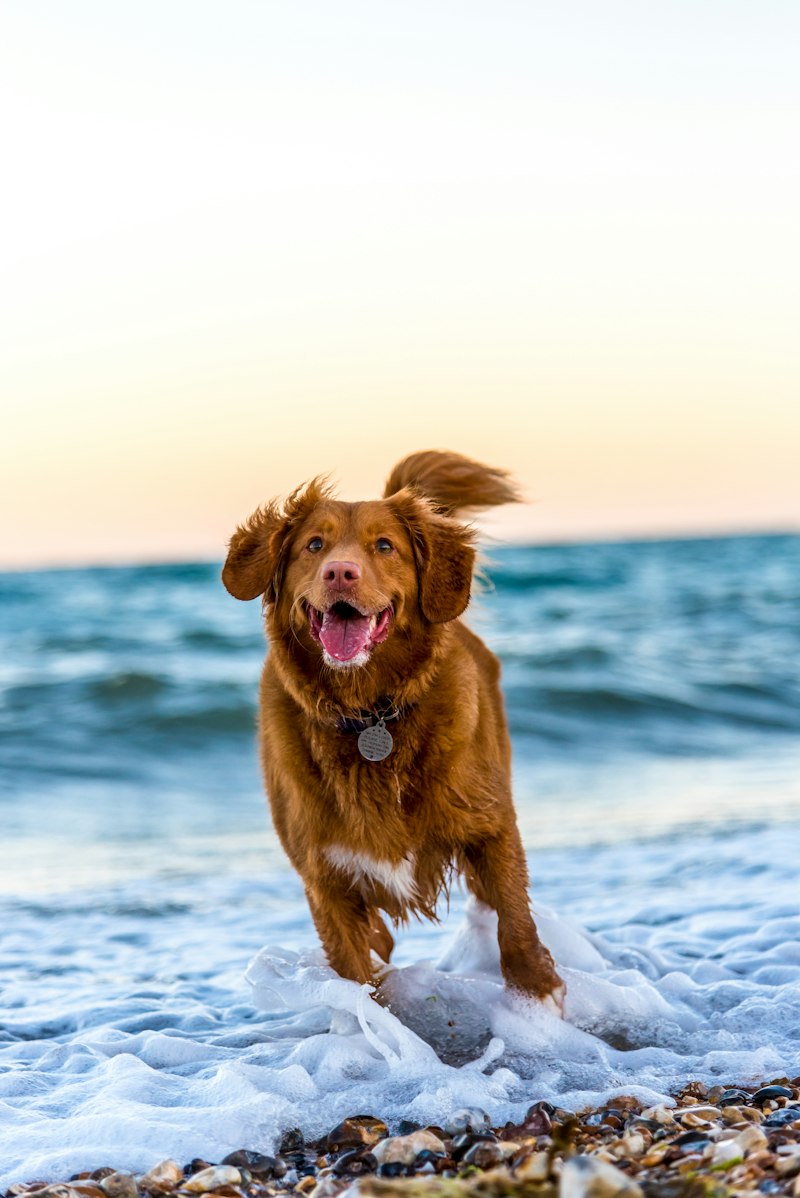
Why this park is worth the drive for a dog who finds other dogs hard work
Sir Thomas and Lady Dixon Park in Upper Malone is a big, generous space — open parkland, mature trees, a walled garden, and enough ground that you can genuinely put distance between your dog and someone else's without leaving the park entirely. That matters if your dog is the sort who copes fine in a straight line but comes undone the moment another dog trots straight at them off lead.
It's not a wilderness. It sits close to housing on Upper Malone Road, it's popular with families, and on a dry Saturday afternoon it can feel busy. But because the park is laid out in distinct zones — formal gardens, playing fields, open grass, tree-lined paths — you can choose to walk in the quieter third of it and barely see the busier third at all. That's the whole trick.
Which entrance is actually quiet
The main entrance off Upper Malone Road is the one most people default to, and it's also where you'll meet the most dogs, prams and joggers in the first five minutes — it's close to the car parking and the walled garden, both magnets for visitors. If your dog needs a calm start, this is not it.
Smaller access points further along the boundary tend to be quieter simply because fewer people know about them or bother walking that far to find them. These entrances usually feed straight onto open grass rather than a formal garden, which gives you room to see other dogs coming from a distance rather than meeting them nose to nose on a narrow path. Have a look at the park on a map before you go and pick out an edge entrance rather than the obvious front door — it costs you a slightly longer walk in but buys you a much calmer first ten minutes.
Whichever gate you use, check the current signage when you arrive. Layouts, temporary closures and any lead requirements can change, and it's worth two minutes to read the board rather than assume it's the same as last time.
The best times to go if your dog can't cope with a crowd
Early on a weekday morning is the most reliable quiet window — before the school run traffic clears and before the retired-and-recreational dog walkers arrive in numbers. Weekday early afternoons, particularly outside school holidays, run a close second.
Weekends are a different animal. Saturday and Sunday late morning through mid-afternoon is when the park fills — families, groups, dogs off lead in the open areas, and a fair bit of noise around the walled garden and any play areas. If you have no choice but to walk at a weekend, aim for first thing, before most households have had breakfast.
Weather is your friend here, oddly. A grey, drizzly Belfast morning with steady rain will empty the park faster than almost anything else. Dogs who struggle with other dogs often do their best, calmest walks in exactly the weather that keeps everyone else at home.
What the ground is actually like in winter
This is Upper Malone, not the hills — but it's still Northern Ireland, and a wet spell turns the open grass heavy and soft underfoot fast. By February, after a normal Belfast winter of rain interrupted by more rain, the wider grass areas away from the paths can be genuinely claggy, and low-lying stretches can hold standing water for days after a downpour.
The formal paths through and around the walled garden tend to be firmer and better drained, which is one of the only points in that busier area's favour — useful if you're walking early before it fills, when the ground underfoot matters more than usual. On frosty mornings, some paths can ice over in shaded, tree-covered stretches, so it's worth taking it steady rather than assuming a park path is automatically safe footing.
None of this is a reason to stay away. It just means a dog walk here in winter is a wellies-and-old-coat outing, not a trainers job, and you should expect to towel a dog down properly before it gets back in the car.
A route that keeps you out of the crowded bits
If your priority is space rather than seeing the roses, treat the walled garden and the areas nearest the main car parking as a no-go zone and instead work the perimeter and the open parkland. Enter through one of the quieter side points, keep to the wider grass and tree-lined stretches, and loop back rather than cutting through the centre of the park where paths converge and visibility drops.
Converging paths are where most unwanted meetings happen — a blind corner by a hedge or a narrow gap between garden beds, where you and another dog appear to each other with no warning and no room to create distance. On open grass you can see a dog and its owner from thirty or forty paces off and adjust course, cross wide, or simply turn back the way you came, calmly, before it becomes a problem.
Know your exit before you need it. If things go wrong — another dog off lead, a loose run-up, an owner who isn't paying attention — you want to already know which gate is nearest and quietest, not be working it out while managing a stressed dog on the end of the lead.
What to do when you can't avoid another dog
Even with good timing, you will meet other dogs at Dixon Park — it's a popular, dog friendly Upper Malone spot and always will be. The most useful habit is distance management rather than confrontation avoidance: cross to the far side of the path or grass early, before the other dog has clocked yours, and keep moving rather than stopping to let things play out at close range.
A tighter lead held low and calm, rather than a tense high grip, communicates less anxiety down the line to a dog that's already on edge. If the other owner is happy to have a shouted conversation while their dog approaches anyway, it's entirely reasonable to just turn and walk the other way — you don't owe anyone a greeting, and most experienced dog walkers around here will understand a hand held up and a quick 'he's not keen on dogs, thanks' without taking offence.
If your dog is working through reactivity with training support, this park is genuinely useful for that precisely because of its size — you can practise seeing a dog at a distance and rewarding calm behaviour, then increase difficulty gradually, in a way a tighter, narrower local green space doesn't allow.
If you're weighing up boarding or day care instead
A lot of owners searching for dog walks near Belfast are also, somewhere down the line, thinking about what happens when they can't do the walking themselves — a holiday, a long work day, a dog who needs more structured socialisation than a single walk can offer. If that's you and your dog is one who finds other dogs hard work, it's worth looking specifically for doggy day care near me or dog boarding Belfast options that manage dogs individually rather than in a free-for-all group, rather than assuming every setup will suit a dog who needs more space and calmer handling.
At Johnny's Doggy Hotel, just along from Carryduff and Newtownbreda, that's the exact profile of dog we're used to working with — the ones who are lovely at home and hard work on a lead when another dog appears. It's a small, family-run operation rather than a big group kennel, which tends to suit that kind of dog better.