
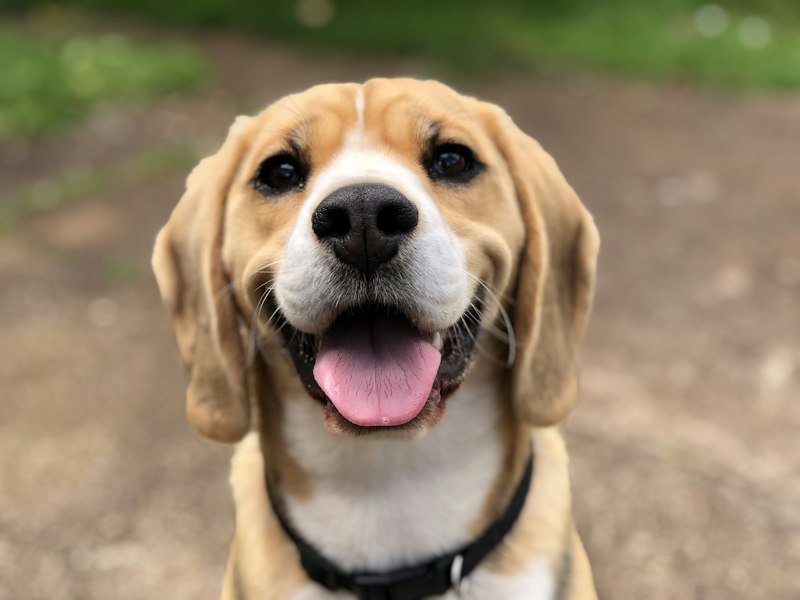
Why an older dog feels winter more than you do
Anyone who has an older Labrador, GSD or terrier cross knows the pattern: they're fine pottering round the garden in October, then somewhere around the first proper frost they start taking the stairs one at a time. Cold weather doesn't cause arthritis, but it does make the muscles round an arthritic joint tighten up, and it makes dogs move less overall — which then makes the joint stiffer still. It's a cycle, and in Belfast, where damp cold sits in for months rather than one sharp cold snap, it can creep up on you gradually until you notice your dog is a different animal by January to the one he was in September.
The other factor that gets underestimated is daylight. By late November it's dark before most people are home from work in Carryduff or Newtownbreda, and dark, wet pavements naturally mean shorter, more cautious walks anyway. That's not a bad thing for a senior dog's joints — it just needs to be done deliberately rather than by accident.
How short should a winter walk actually be?
There's no single number that fits every dog, but the general shift for winter is from one longer walk to two or three short ones. A 15 to 20 minute wander, done gently, three times a day, tends to keep an arthritic dog looser and happier than a single 45-minute yomp that leaves them stiff and reluctant for the rest of the day. Watch your own dog rather than the clock — a slower dog who's happily sniffing every gatepost on the way round Newtownbreda is doing fine; a dog who's stopped, weight shifted off one leg, wanting to turn for home, has already told you the walk is over.
Warm the dog up gently before asking for anything brisk. Many owners head straight out the front door into a cold driveway and expect a stiff twelve-year-old to bound off — a couple of slow minutes on flat, familiar ground first makes a real difference before any incline or uneven surface.
- Little and often beats long and occasional for stiff hips and elbows
- Let the dog choose the pace on the way out; you choose it on the way back if they're flagging
- Avoid the first walk of the day being the longest — joints are coldest first thing
Which local walks are actually kind to old joints right now
You don't need a big outing to tick the box. Flat, well-drained paths matter far more than distance for a dog with joint trouble. Quiet residential loops around Carryduff or Newtownbreda, avoiding kerbs and steps where possible, are genuinely underrated — no stiles, no root-strewn trails, and you can turn back the moment your dog says he's had enough. If you want a change of scenery without rough ground, the flatter, tarmac sections nearer car parks at places like Belvoir Park Forest or around Knockbracken tend to be more forgiving than the deeper forest trails, which get badly rutted and root-heavy by midwinter.
Steer clear of anything with a lot of camber or loose gravel until the ground firms up — a dog compensating for a slippery or uneven surface is working muscles round the joint far harder than the walk looks like it should. If your usual river or towpath walk along the Lagan is your dog's favourite, it's still worth doing on a still, dry morning, but skip it after heavy rain, when it turns to standing water and soft mud that pulls at tired hips.
What the ground round Belfast is actually like in February
This is the detail people forget until they're standing in it. Belfast winters aren't usually severe by UK standards, but they are wet and changeable — a hard frost overnight followed by a thaw by midday is common, which means black ice lingering in shaded spots (under trees, on north-facing paths, near walls) long after open ground has cleared. That's exactly the kind of surface an unsteady senior dog can go over on, and a slip is often what turns manageable stiffness into a proper injury.
Grit and salt on footpaths and driveways round Newtownbreda and Carryduff are another thing to watch — they can sting between the pads and dogs will happily lick it off their own feet afterwards, which isn't great for their stomach. A quick rinse and dry of the paws after any walk on gritted pavements is worth the thirty seconds it takes.
Keeping them warm without overheating them
A coat helps more than most owners expect, particularly on short-coated or lean older dogs who've lost muscle bulk over the joints — greyhounds, older Staffies, thin-coated terriers. It should cover the loin and hips, not just the back, since that's where a lot of the stiffness sits. The mistake to avoid is leaving a wet coat on indoors afterwards; a damp coat against the skin in a warm house does nothing useful and can cause its own skin irritation.
Indoors, warmth matters just as much as outdoors. Conservatories, utility rooms and anywhere near an external door in a Belfast semi can drop several degrees overnight, and that's often exactly where the dog bed has always lived. Moving it somewhere draught-free for the winter, even temporarily, is one of the simplest and most effective changes you can make.
Building a proper rest set-up at home
Good rest does more for an arthritic dog than most walks ever will. A supportive orthopaedic-style bed with real padding — not a thin, flattened old cushion — takes pressure off elbows and hips, and it should be raised slightly off a cold tiled or laminate floor, which acts like a heat sink in winter. Non-slip flooring or a rug runner to the food bowls and the back door matters too; a lot of joint flare-ups in older dogs start with one bad slip on a wet kitchen floor, not with a walk at all.
Give some thought to getting up and down as well. Ramps or a step at the car, and at any raised bed or sofa the dog is still allowed on, protect the joints from repeated jarring landings — small, boring changes, but they add up over a whole winter far more than any single walk does.
When day care or boarding actually helps a senior dog's joints
A common worry owners raise is that boarding or day care means their older dog missing out on rest, or being pushed into more activity than they're used to. Done properly, it's the opposite — a good setting for a senior dog means warm indoor space, orthopaedic bedding, and staff who understand that an arthritic dog needs shorter, gentler outdoor time rather than being run around with younger, boisterous dogs all day. At Johnny's Doggy Hotel in Newtownbreda, that's exactly the sort of adjustment made for older guests — quieter pace, softer bedding, and rest built into the day rather than treated as an afterthought.
If you're looking at dog boarding in Belfast for an older dog for the first time this winter, it's worth asking directly how they handle joint issues, medication timing and rest — a place that boards a lot of senior dogs should be able to answer that without hesitation.
Warning signs that mean it's time to call the vet
Winter stiffness that eases once a dog is moving is normal and expected. What isn't normal is a dog who stays stiff for well over the first few minutes, cries out or flinches on standing, drags a back foot, or suddenly won't jump into the car when they managed it fine the week before. Sudden lameness, even mild, deserves a vet check rather than a wait-and-see approach, since a sprain and a flare-up of arthritis can look very similar in the first day but need different treatment.
If your dog is already on joint medication, winter is a sensible time to check the dose with your vet — some dogs genuinely need a bit more support through the coldest months than they do in summer.