
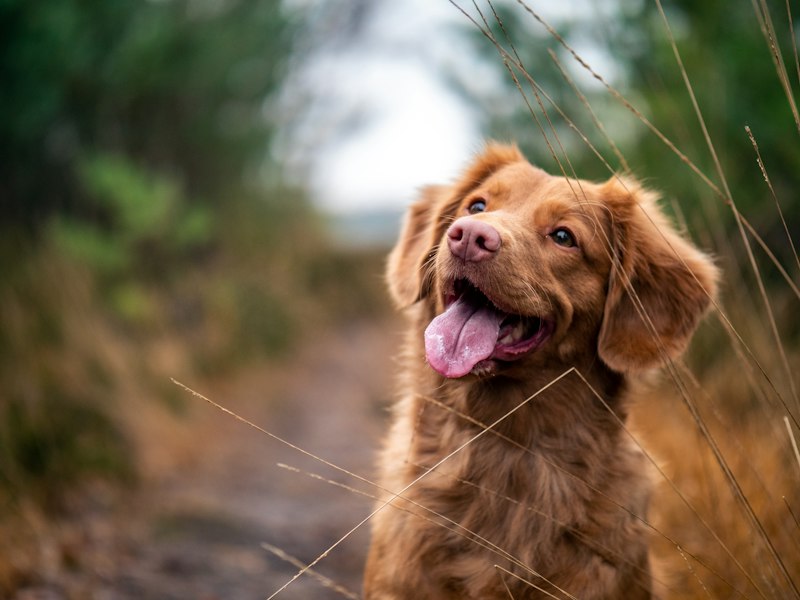
Why a nervous dog needs more than a clean kennel
If you've typed something close to overnight dog boarding for nervous dogs Ballynahinch into your phone at ten at night, you're probably not looking for the biggest facility or the longest list of extras. You're looking for somewhere your dog won't spend the whole stay pacing, panting, or standing at a gate waiting for you.
A nervous dog doesn't care how smart the reception area looks. What matters is noise, number of other dogs, how quickly someone notices if they're not eating, and whether the routine resembles anything close to home. That's a different question from most dog boarding Belfast searches turn up answers for, and it deserves a straight answer rather than a brochure.
The drive from Ballynahinch — what to actually expect
From Ballynahinch most people come up the A24 through Saintfield and on towards Carryduff, picking up the Saintfield Road into south Belfast before turning for Newtownbreda and Woodbreda Drive. It's a main road most of the way, so a wet February morning won't leave you stuck in a lane full of surface water — the roads themselves are generally well maintained even after a hard frost or heavy rain.
The thing that catches people out isn't the terrain, it's the timing. The Saintfield Road and the Carryduff roundabout can slow down around school drop-off and pick-up, and there's sometimes roadworks or temporary lights near Carryduff that aren't always signposted until you're on top of them. If your dog gets carsick or anxious in traffic, it's worth building in extra time rather than cutting it fine — arriving flustered yourself doesn't help a nervous dog settle.
What 'settling in slowly' actually looks like
This is the part that gets skipped over in most boarding write-ups. Settling in slowly isn't a nice phrase, it's a practical process: a dog arrives, is shown a quiet space before meeting anyone else, is allowed to sniff and circle without being rushed into play, and is fed and walked at times that echo what happens at home as closely as possible.
In a genuinely quiet household setting — rather than a kennel block with a dozen dogs barking at once — that process is far easier to get right. At Johnny's Doggy Hotel, a family-run setup near Carryduff and Newtownbreda, dogs aren't dropped into a communal run on arrival; they're introduced gradually, and a nervous dog might spend their first evening well away from the others altogether, with contact increased only once they're visibly relaxed.
That's not unusual and it's not a failing on the dog's part. Plenty of confident, easy-going dogs would find a full kennel block overwhelming on day one — it's simply more obvious in a dog who's already anxious.
Should you book a trial night first?
Yes, if it's offered and your dog has never boarded before, or boarded badly somewhere else. A single trial night tells you more than any phone conversation: whether your dog eats, whether they sleep, whether they bark through the night or settle after an hour, whether they come home wound up or worn out in a good way.
Ask directly what a trial stay involves — whether it's a genuinely separate assessment or just the first night of a longer booking rebranded. A straight answer to that question tells you a lot about how honestly the rest of the stay will be run.
- Does the trial include a proper introduction period, or straight into the main group?
- Will someone call you if the dog isn't settling, rather than waiting until collection?
- Is there a quiet space the dog can retreat to if they need it?
What to bring so the stay feels familiar
Pack as though you're trying to recreate home in a bag. Their own bed or blanket — unwashed, so it still smells right — makes a bigger difference than people expect. The same food they eat at home, not a trial of something new, since a nervous stomach on top of a nervous dog is a bad combination. Their usual lead and harness, their favourite worn-soft toy, and clear notes on any medication, feeding quirks, or triggers like fireworks, other dogs at the door, or being left alone in a room.
If your dog has a word or routine that calms them — a particular command before bed, a specific walk time — write it down rather than assuming it'll come up in conversation at drop-off. Drop-off itself is rarely the moment for a long handover; a card with the details means nothing gets forgotten once you've driven off.
What if my dog won't settle on the first night?
Some don't, and it's worth hearing that plainly rather than being told every dog loves it eventually. A dog who's never been left overnight, or who's had a bad experience with day care or kennels before, might take two or three stays before they stop pacing at bedtime. That's normal, not a sign the arrangement isn't working.
What should happen is that staff notice and adjust — more time alone, a different spot to sleep, less contact with other dogs rather than more, and an honest conversation with you about how it actually went rather than a vague 'they were grand.' If a boarder tells you a nervous dog settled instantly and loved every minute, treat that with a little scepticism.
Where to park and which entrance is quieter
There's usually parking available near the main entrance, but if your dog reacts badly to other dogs arriving or leaving at the same time, it's worth asking whether drop-offs can be staggered, or whether there's a quieter time of day to bring them in. A five-minute gap between arrivals can be the difference between a calm handover and a dog who's already overwhelmed before they've even gone inside.
Check current signage and any instructions given at the time rather than relying on what worked last time you visited — gates, routes, and which door is in use can change, and it's a small thing to confirm on the day rather than guess.