
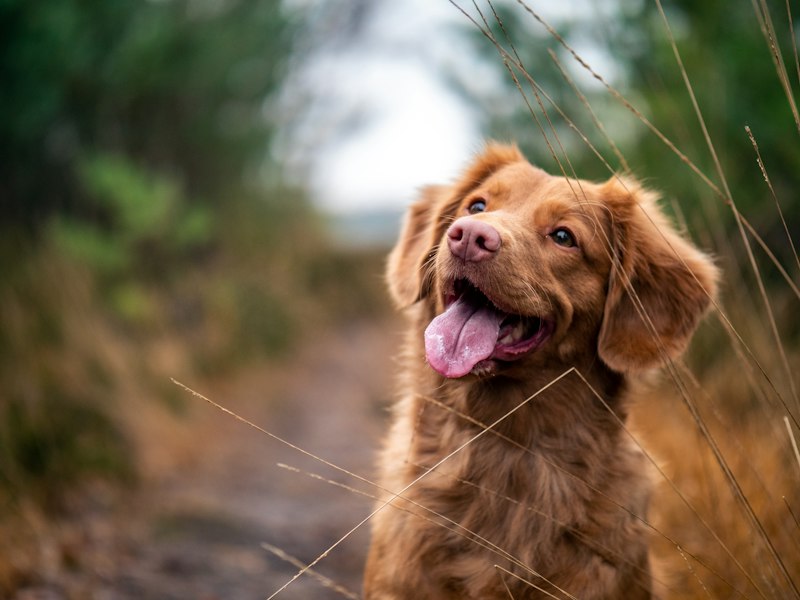
A nervous dog doesn't need a bigger kennel, it needs a quieter one
If you've typed something close to overnight dog boarding for nervous dogs Dundonald into your phone, you're probably not looking for the biggest facility or the longest list of extras. You're looking for somewhere your dog won't spend the whole stay flat against the back of a run, panting, waiting for you. That's a different question to the one most boarding websites answer, so here's a straighter one.
The honest answer is that nervous dogs generally do better in a small, household-style setup than in a block of kennels, however clean or modern. Fewer dogs, fewer unfamiliar noises echoing down a corridor, a routine that looks something like home rather than a feeding rota on a whiteboard. That's the whole premise behind places like Johnny's Doggy Hotel, run from a family home off the Saintfield Road near Newtownbreda — but the principle matters wherever you end up booking, so use it to judge anywhere you're considering.
What the drive from Dundonald actually looks like
You're coming from the east side of the city, so there's no pretending this is a two-minute hop. Most routes bring you along the Upper Newtownards Road or out via the A20 and Kings Road roundabout, then across through Knock and onto the dual carriageway towards Carryduff, or down through Forestside on the Saintfield Road if you're avoiding the bypass. Either way, you're crossing a good stretch of Belfast, and the Knock dual carriageway and Carryduff roundabout both back up badly in the standard rush-hour windows — roughly first thing in the morning and again from late afternoon.
If your dog is anxious, the car journey itself is part of the stress, so it's worth timing drop-off outside those peak slots if you can. A dog that arrives already wound up from sitting in traffic on the A55 Outer Ring is starting the stay on the back foot. Midmorning or early afternoon tends to be calmer on the roads and gives everyone more time to settle before the evening routine starts.
Kennel block or someone's actual house — why it matters for a dog that's already unsettled
Ask directly whether your dog will be in a dedicated kennel building or inside a lived-in house, and ask how many other dogs will be there at the same time. Large kennel runs can mean constant background barking, which is exactly the sort of noise that keeps an anxious dog on edge all night rather than letting them drop off to sleep.
A quieter household with a handful of dogs at most, familiar human voices in the next room, and a predictable bedtime does more for a nervous dog than any amount of square footage. If a place can't tell you roughly how many dogs will be staying alongside yours on a given night, that's worth pressing on.
How a nervous dog actually gets settled in, not just dropped off
Settling in slowly means something specific: an introduction that happens before the first overnight stay, not on the morning of it. Ask whether a meet-and-greet or a short trial visit is possible first — ideally a few hours, or a single overnight, well before you need a longer booking for a holiday or a hospital stay.
Once your dog is actually staying, the aim should be to mirror your routine as closely as possible rather than replace it. Same rough feeding times, same kind of walk, the same order of events before bed. A good carer will let a nervous dog watch from a distance before any fuss, rather than crowding them with attention on arrival. Give it time — some dogs settle within the first evening, others take the whole visit, and a few genuinely need two or three stays before they stop pacing the moment the car leaves.
What should you actually pack?
Bring more of your dog's own smell than you think you need: their usual bed or blanket unwashed, a jumper of yours if they sleep near you at home, their regular food rather than whatever's in the cupboard, and their own lead and collar rather than anything borrowed. None of this is sentimental fussiness — scent is one of the few things that travels with a dog and tells their nervous system that this situation, however new, is survivable.
If your dog has a particular toy or chew they settle with in the evening, pack it. If they're on any medication, write out exact times and doses rather than relying on memory at drop-off, when everyone's attention is split.
- Unwashed bedding or a blanket that smells of home
- Usual food and treats, not a substitute brand
- Own lead, collar and any tag with current contact details
- A single familiar toy rather than the whole box
- Written feeding and medication times, not just verbal instructions
What happens if it doesn't go to plan?
This is the part most boarding pages skip, and it's exactly what a worried owner wants to know. Some nervous dogs go off their food for the first night — that's common and usually nothing to panic about, but ask what the plan is if a dog still isn't eating by the second day, and how you'd be contacted. A decent carer should be comfortable telling you this without being asked twice.
Occasionally a dog is simply too distressed for a particular setup, however carefully it's been managed, and the honest response is to say so rather than push through a full week regardless. Ask what early collection would look like if that happened, and don't be put off by a carer who's upfront about limits — that's usually the sign of someone who's actually paying attention, not someone covering themselves.
Is day care a gentler first step than a full overnight stay?
For a dog that's never been left anywhere before, a daytime visit is a far lower-stakes way to test the water than booking a week's overnight stay around a holiday. It lets your dog meet the household, the other dogs, and the general rhythm of the place while you're still reachable and the stakes are low if it's too much.
If your dog copes well with a day visit — settles after an hour or two, eats normally, isn't frantic at pickup — that's a reasonable sign a short overnight stay is worth trying next. If day care itself is a struggle, that's useful information too, and worth discussing honestly with whoever you're booking rather than skipping straight to a longer stay and hoping.
Where to park and which way in is quieter
Specific parking arrangements vary by location and can change, so it's worth checking current signage and asking directly when you book rather than relying on anything written here. As a general rule, the quieter approach to most home-style boarding setups is away from the busiest road frontage — ask whether there's a side entrance or a particular spot to pull in that avoids passing traffic noise right at the point your dog gets out of the car, since that first thirty seconds on the ground sets the tone for the whole stay.