
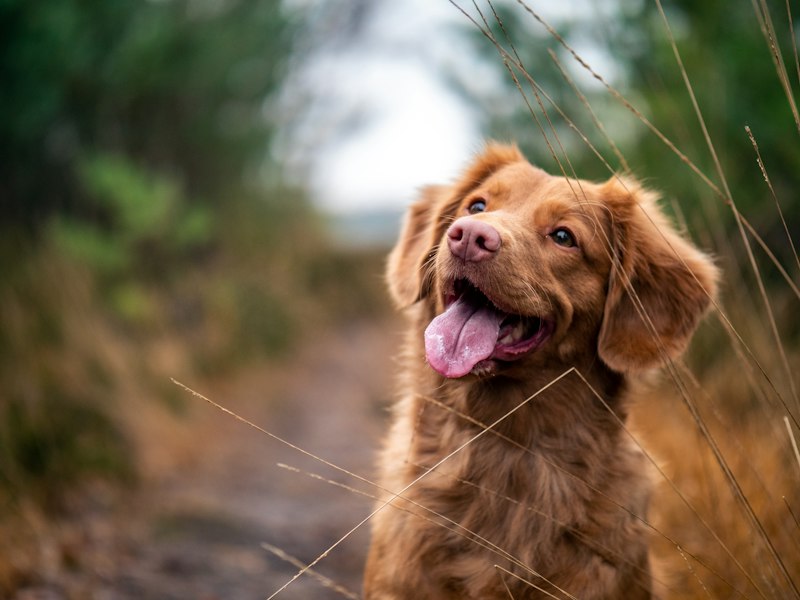
A nervous dog doesn't need a bigger kennel, he needs a quieter one
If you're typing this at ten o'clock at night with the dog pacing the kitchen because you've got a week away booked, you already know the usual advice doesn't fit. Big kennel runs with forty dogs barking down a corridor are fine for some dogs and genuinely frightening for others. A dog who flinches at the vet's waiting room, who won't settle at a busy dog park, or who takes two days to come out from behind the sofa after visitors leave — that dog needs something closer to an ordinary house than an institution.
That's really the whole answer to the search. What you're looking for isn't a bigger, cleaner, more expensive version of a kennel. It's a small household where the routine stays recognisable, where nobody rushes him, and where the humans paying attention have actually met him calm before they ever see him stressed.
What does 'settling in slowly' actually look like on the day?
In practice it's less dramatic than it sounds. A nervous dog arriving at a new place doesn't need a welcome party — he needs the opposite. The quiet approach is to let him come out of the car in his own time, on his own lead, and have a good sniff round the garden or the hallway before he's expected to meet anyone else, two- or four-legged.
The first feed usually happens somewhere away from the main hum of the house, often on his own rather than lined up next to other dogs' bowls. Overnight checks are done without flicking on bright lights or making a fuss — a torch and a quiet voice does the job. None of this is complicated, but it's the difference between a dog who's still tight as a drum on day three and one who's flat out asleep by lunchtime.
- Arrival kept low-key: no crowd, no other dogs rushing the car
- Time alone in the garden or a quiet room before anything else
- First meal away from the general feeding area
- No expectation of play or group time on day one
- Overnight checks kept calm and brief, lights kept low
Is the drive from Hillsborough worth it for a calmer stay?
Hillsborough owners usually come up through Lisburn and then across towards the south Belfast side, or cut cross-country via Drumbo and the back roads if the A1 is slow, which it often is at school-run or teatime. It isn't on the doorstep, and there's no point pretending it is — but for a dog who genuinely struggles in a big kennel environment, a lot of owners from Hillsborough, Dromore and Moira decide the extra time in the car is worth it for a dog who comes home still himself rather than shut down and shaking.
Johnny's Doggy Hotel sits off Woodbreda Drive, close to Carryduff and Newtownbreda, which puts it within a reasonable run for most of County Down without being deep in Belfast traffic. Check current road conditions before you set off, especially in winter — the back roads around Drumbo and Ballycairn can be greasy underfoot in frost even when the main roads are gritted.
What should I actually pack for him?
Bring more of his own smell than you think you need to. His usual bed or blanket, unwashed if you can bear it, does more for a nervous dog than any amount of fuss from a stranger. A jumper or old t-shirt of yours in the bed helps too — it sounds daft until you've seen a dog visibly settle onto something that smells like home.
Keep him on his usual food if at all possible. Changing diet on top of a new environment is a common cause of loose stools in boarding dogs, nervous or not, and it's an easy thing to avoid. Pack enough for the whole stay plus a bit extra in case plans change, along with any medication clearly labelled, his usual lead and collar rather than new ones, and a toy he actually likes rather than one that's never left the toy box.
- Unwashed bedding or a blanket that smells of home
- His usual food, enough for the full stay plus spare
- Any medication, clearly labelled with dosage and times
- His own lead and collar, not new ones bought for the trip
- One toy he genuinely uses, not a brand new one
What if he won't eat or settle on the first night?
This happens more often than owners expect, and it isn't usually a sign anything is wrong. A nervous dog skipping a meal, pacing, or sleeping somewhere odd like the bathroom floor on night one is common and almost always resolves within a day or two once the smells and sounds of the house become familiar. Good carers watch water intake rather than panicking over one missed meal, and will try hand-feeding or a change of location for the bowl before making it a big deal.
What should worry you is if it carries on past the second day — if he's still refusing food, hiding constantly, or showing signs of real distress rather than ordinary wariness. Any boarder worth using should be keeping you updated honestly rather than telling you everything's fine when it isn't, and should be willing to ring you if things aren't improving rather than waiting for you to ask.
Will he still get a walk, or does he just hide for the week?
A nervous dog still needs to get out, but it doesn't need to be a big group walk with dogs he's never met. One-to-one lead walks around quiet residential streets or a laneway near Newtownbreda or Belvoir tend to suit far better than anything busy, at least until he's visibly relaxed. February in particular means wet underfoot almost everywhere — the softer ground around Minnowburn and the forest paths near Belvoir holds water for weeks, so routes are often chosen for better drainage and a firmer surface rather than for scenery.
The instinct with a frightened dog is to think fresh air will fix everything, but a new dog in a new place surrounded by new smells can be overwhelming rather than exciting. Good practice is short, calm, repetitive walks on the same route each day rather than a different adventure every outing — nervous dogs generally do better with boring and familiar than exciting and new.
How do I know if boarding is right for him, or if home boarding suits him better?
Even a quiet household with few dogs isn't right for every nervous dog. If your dog shuts down completely around any strange dog, guards food or space aggressively when stressed, or has a genuine noise phobia around things like fireworks or thunder that no amount of calm handling touches, a one-to-one home boarding arrangement in someone else's house — with no other dogs at all — may suit him far better than any boarding setup, however small and quiet.
If you're not sure which camp he falls into, a short day care visit before committing to a full overnight stay is the honest way to find out. It costs you an afternoon rather than a week's worry, and it tells both you and whoever's looking after him exactly how he copes before anything's booked for real.