
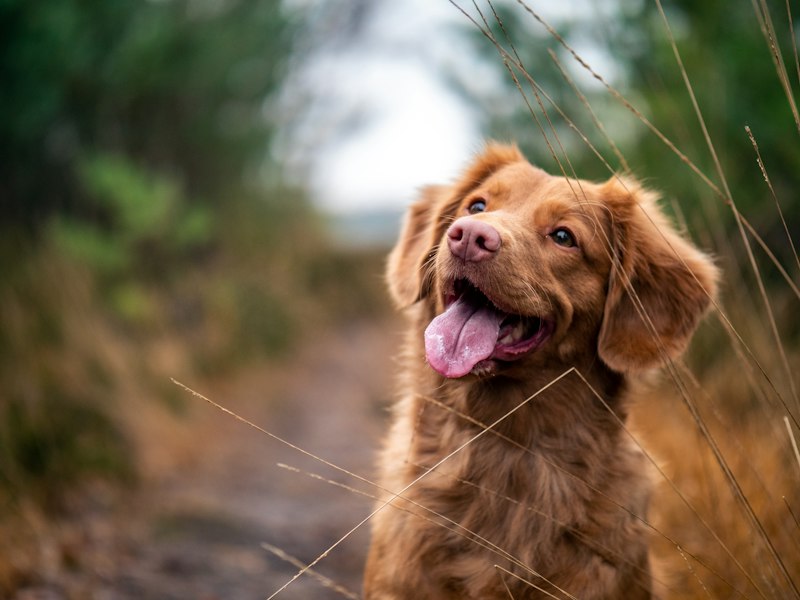
A nervous dog doesn't need a bigger place to stay — it needs a quieter one
If you've typed something like overnight dog boarding for nervous dogs Drumbo into your phone, you've probably already ruled out the kennel block down the road. You know your dog. You know that a corridor of barking dogs, concrete runs, and a different handler every shift is going to undo any progress you've made with him, not help it. What you're actually looking for is somewhere closer to a normal house, with a normal amount of noise, where the routine doesn't change much just because you're not there.
That's a reasonable thing to want, and it's worth being specific about what it means in practice, because 'home boarding' can mean very different things depending on who's doing it. Some homes still take six or eight dogs at once, which from your dog's point of view isn't much different from kennels with carpets. The question that actually matters isn't whether it's called a home or a kennel — it's how many dogs are there on the night your dog stays, and how much of the day is spent quiet rather than busy.
What the first few hours after drop-off actually look like
Most nervous dogs don't settle the moment you drive off, and anyone who tells you they will is either lucky or not being straight with you. The first hour is usually about the dog finding a corner — under a table, behind a chair, in the hallway near the door — and deciding whether it's safe to come out of it. A good sitter leaves that alone rather than coaxing constantly, because a dog that's left to make its own decision about when to approach tends to settle faster than one that's being chivvied.
Food is often the clearest sign of how things are going. Plenty of nervous dogs don't eat properly on the first evening, and that's not something to panic about as long as water is being taken and the dog isn't in obvious distress. What you want to hear back from whoever's looking after your dog is plain description — 'he ate half his tea, took a biscuit about nine, slept near the radiator' — not vague reassurance. If you're not getting that kind of detail when you ask, that's worth noticing before you book, not after.
Why a small, quiet house works better than a busy one for some dogs
At Johnny's Doggy Hotel, boarding happens in a family home rather than a kennel block, and the numbers in the house at any one time are kept low on purpose — not as a selling point, but because that's genuinely what a nervous dog needs. A dog that's anxious of other dogs, or just anxious of change, does better when the household noise is close to what it experiences at home: one or two other guests at most, a television on in the evening, someone moving around the kitchen, rather than a yard full of unfamiliar dogs barking at feeding time.
This won't suit every dog. A dog that genuinely thrives on the company of lots of other dogs might actually find a quieter house a bit flat and bored by day two — that's worth being honest with yourself about too. The point isn't that quiet is always better, it's that for a dog who's nervous specifically, a predictable, low-stimulation environment tends to be the thing that lets them stop being on guard.
Getting here from Drumbo without the journey undoing the good work
Drumbo itself sits out past Ballylesson and Carryduff, on the quieter roads south of Belfast, and the drive in towards Newtownbreda is generally straightforward outside of the morning and teatime rush on the Saintfield Road and around the Carryduff roundabout. If your dog is already anxious in the car, it's worth timing the drop-off to miss those pinch points rather than leaving it to chance — a dog that arrives already wound up from sitting in traffic takes longer to settle once he's through the door.
In February especially, allow for the roads being wet and the light already dropping by late afternoon; a dog arriving in the dark to an unfamiliar house is a slightly different experience to one arriving in daylight, and if you have any choice over timing, daylight is the better option for a first stay.
What to bring so nothing feels unfamiliar
The single biggest thing you can control is smell. A dog's own bed, a blanket that's been on the sofa at home, an unwashed jumper of yours — these do more to settle a nervous dog in the first night than any amount of new dog beds or toys bought specially for the stay. Bring his own food too, even if it means an extra bag in the boot, because a sudden change of diet on top of a change of location is one stress too many for a dog who's already unsettled.
It also helps to be specific rather than general when you hand over. 'He's funny about being approached from behind' or 'he won't settle unless the landing light's on' is far more useful than 'he's a bit nervous' — the people looking after him can only work with what you actually tell them.
- His own bed or blanket, not a fresh one
- His usual food, in his usual amount, not a trial of something new
- A lead and collar he's used to, with ID tag current
- Any medication clearly labelled with times and doses written down
- Specific triggers and quirks, not just 'he's nervous'
What happens if your dog doesn't settle on day one
Sometimes a dog is still hiding behind the sofa on the second morning, still not eating properly, still flinching at the front door going. This does happen, and it's one of the reasons a short trial stay — a day of day care first, then a single night, before you book a longer stretch — is worth doing even if it feels like an extra step. It tells you and the sitter far more honestly than a phone conversation can whether this particular house suits this particular dog.
If a dog genuinely isn't settling after a reasonable length of time, the honest thing for a sitter to do is tell you that plainly rather than pretend it's going fine, and to talk through whether a different approach — a shorter stay, a familiar dog walker coming in during the day as well, or in some cases accepting that boarding isn't right for this dog at all — makes more sense. Nobody looking after your dog properly wants to force a stay that isn't working.
What a typical overnight actually sounds and feels like
Away from the marketing language, an ordinary night for a boarded dog in a quiet house looks fairly unremarkable: a walk before dark if the weather allows, tea at a normal time, some time lying in the same room as the family rather than being shut away, and a settled spot to sleep that doesn't change from night to night. For a lot of nervous dogs, it's the sameness of each evening — not the excitement of it — that does the actual work of easing them in.
By the second or third night, most dogs who are going to settle have settled — coming out from under the table on their own, taking food without being coaxed, meeting the other dog in the house with a bit of curiosity instead of alarm. That's usually the point where an owner relaxes too, which the dog tends to notice on the next visit.